Why Control-Response Instability Often Starts Deeper Than the Visible Console Layer
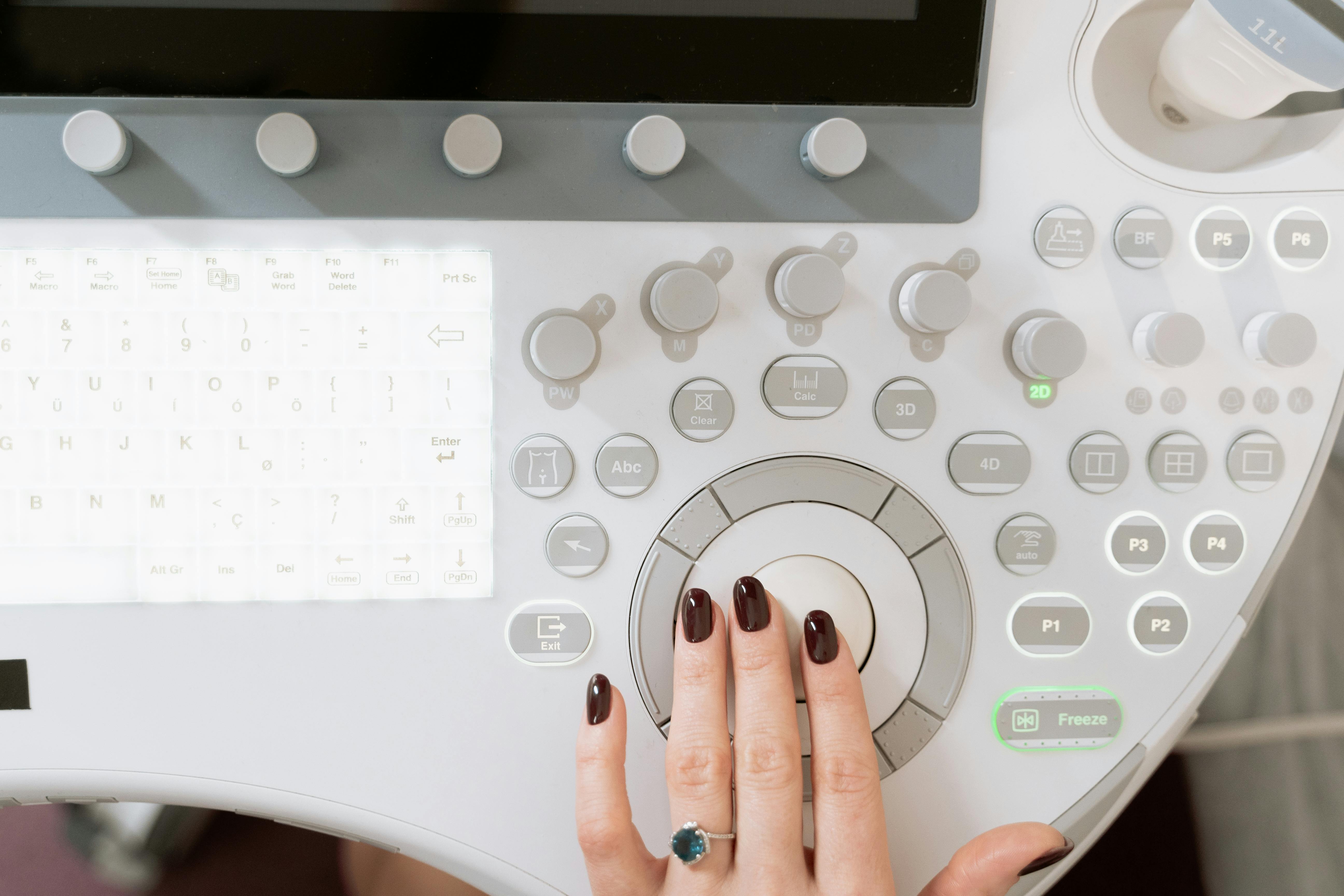
Control-response instability often starts deeper than the visible console layer. Here is why delayed response can point to a broader coordination fault.

Control-response instability often starts deeper than the visible console layer. Here is why delayed response can point to a broader coordination fault.

Interface-board instability can create multiple downstream symptoms at once. Here is why engineers often blame the wrong board first.

Console lag during workflow switching often starts before full board failure. Here is why transition timing exposes deeper weakness.

Console display artifacts do not always mean screen failure. Here is why power instability can be the real upstream cause.

Power regulation drift can create lag, instability, and mixed system symptoms long before a machine shows an obvious power failure.

Some ultrasound systems look stable at idle but start failing only after longer scan sessions. Here is why heat, load, and board fatigue show up late.

Intermittent console-button faults can look like lag or deeper console trouble. Here is how to separate input-layer failure from the rest.

Interface board instability can imitate several ultrasound system faults at once. Here is why engineers should move the bridge layer higher on the checklist.

A practical fault introduction to the TR192 transmit board in Samsung H60 ultrasound systems, including common burn-through causes, field symptoms, diagnostic checkpoints, and repair-risk notes.

Video splitters and isolators do far more than duplicate a display feed. In medical imaging and industrial monitoring systems, they protect equipment, preserve image integrity, and prevent dangerous ground-loop problems.