Why Control-Response Instability Often Starts Deeper Than the Visible Console Layer

When an ultrasound system begins responding inconsistently to operator input, many teams jump straight to the visible control layer and assume a local keypad or panel problem. In practice, delayed response, uneven control behavior, and state-switch hesitation often begin deeper in the coordination path between the console interface, support boards, and internal communication layers.
That is why control-response instability is such an expensive symptom. The machine may still boot normally, open menus, and appear generally alive, yet become less trustworthy as soon as the operator begins switching states, adjusting parameters, or moving through a real workflow.
Recommended replacement option: GE 2355880 4 RFI Board
What this failure pattern usually looks like
A common pattern is that the system responds acceptably during simple startup checks, then begins showing hesitation, delayed screen changes, inconsistent knob or key response, or partial control lag once workflow transitions become more frequent. Because the machine is not fully frozen, the symptom often gets downplayed.
Why operators blame the wrong layer first
Visible delay feels like a user-interface problem because that is where the frustration shows up. But in many systems the visible response layer depends on stable board-to-board coordination underneath it. Once an interface or support section becomes weak, the machine can imitate a front-end control issue even when the visible panel is not the real root cause.
What to inspect first
Check whether the response problem appears mainly during transitions rather than idle moments, whether it worsens after runtime, and whether other mixed symptoms appear nearby such as communication alarms, partial resets, or inconsistent peripheral behavior. If the lag travels with broader instability, the inspection path should move quickly beyond the visible controls alone.
Why earlier correction saves labor
Once operators start distrusting response timing, the machine becomes harder to evaluate and harder to return with confidence. Teams waste time retesting the front layer while the shared coordination path keeps creating the same uncertainty underneath. Correcting the unstable support section earlier is often cheaper than chasing each visible control symptom one by one.
Related Articles
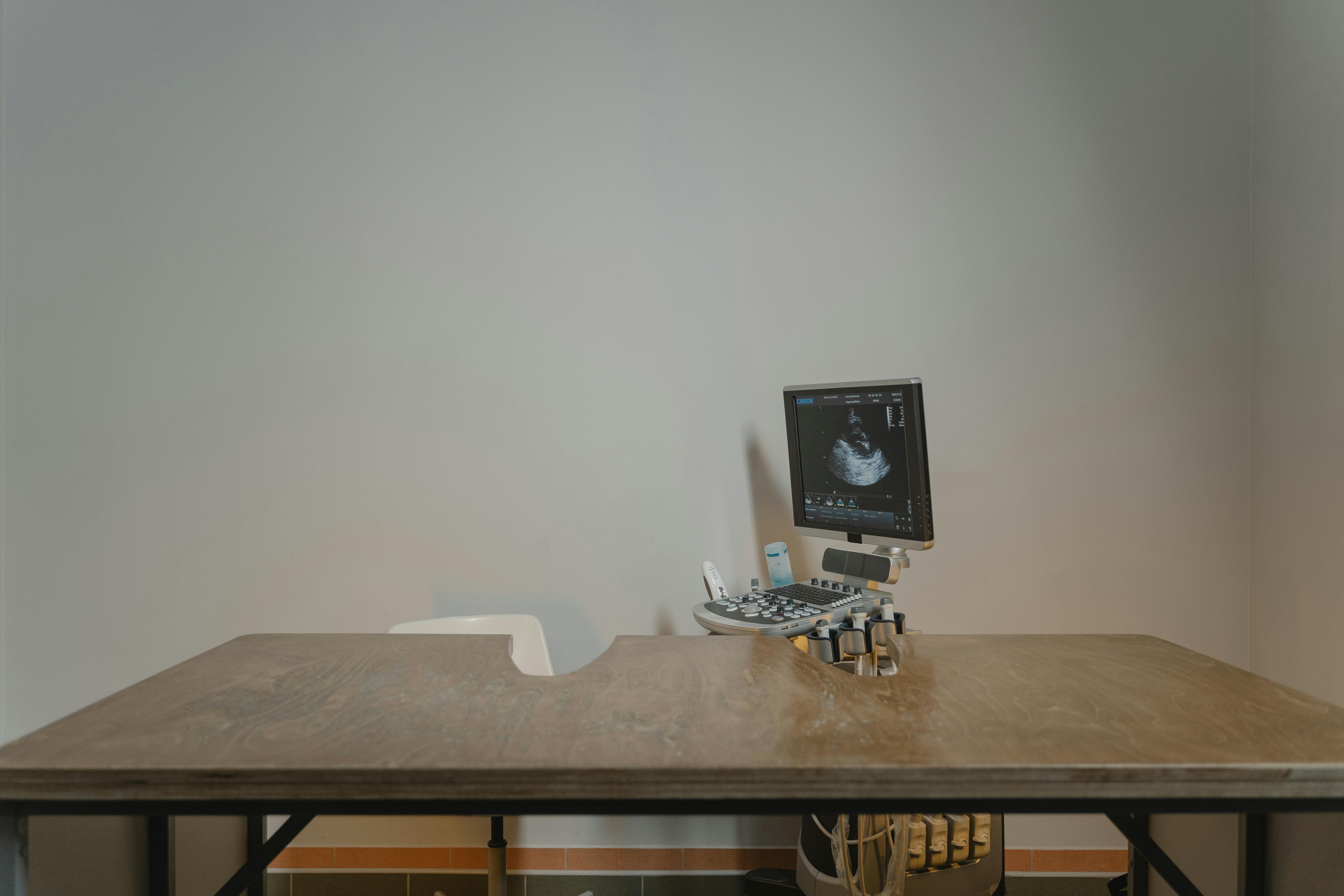
Why Console Navigation That Gets Worse With Use Often Exposes Panel-Control Weakness Earlier Than A Hard Failure
If navigation gets less crisp as the session goes on, the panel-control path may already be weakening while the machine is still broadly usable.
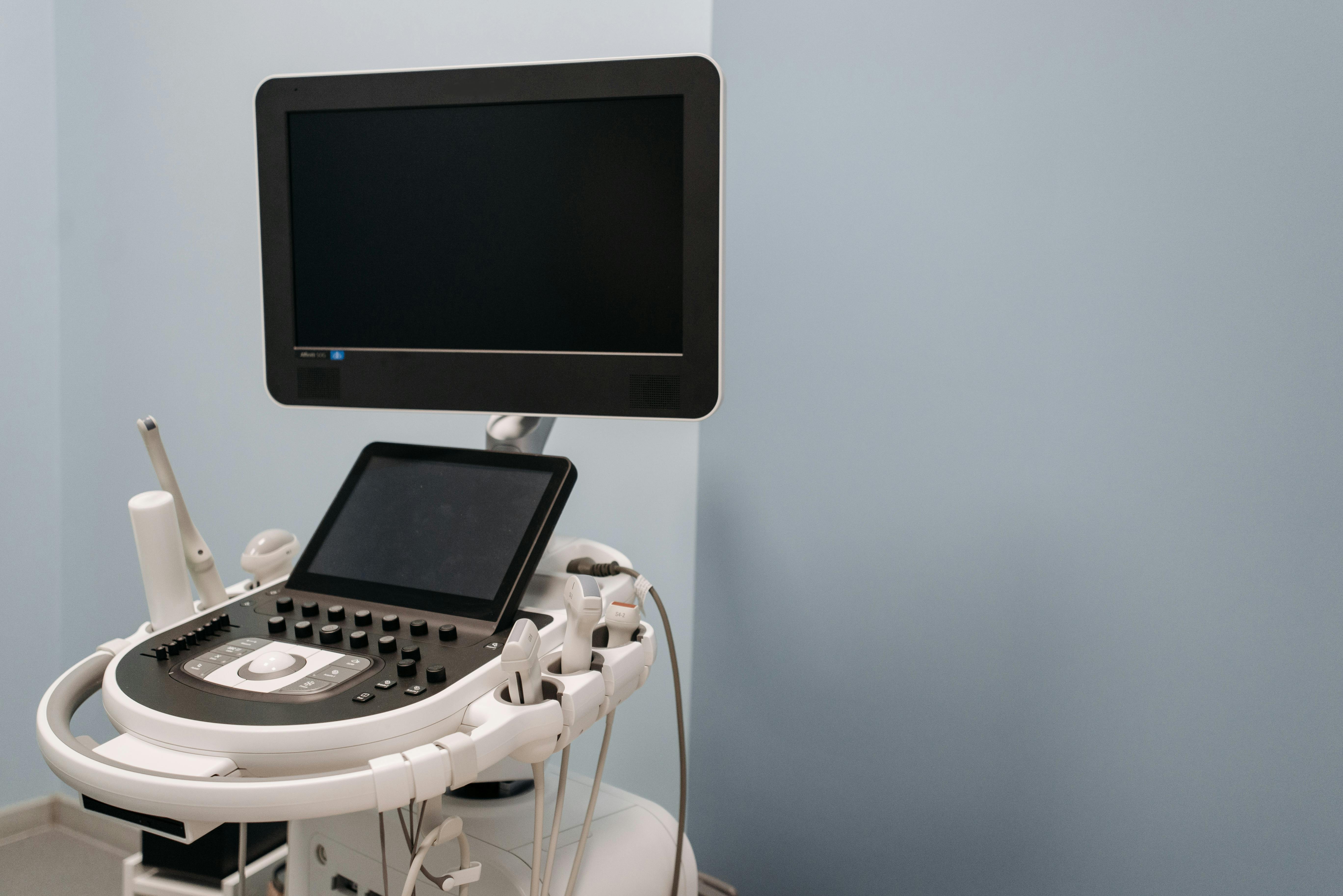
키보드 클러스터의 오작동이 보통 다섯 개의 불량 키가 아닌 공유 입력 경로를 가리키는 이유
동일한 키보드 클러스터가 함께 불안정해질 때, 여러 개의 개별 버튼 고장보다는 공유 콘솔 경로가 더 유력한 용의자입니다.