What Sluggish GE Console Input Usually Points To Before Total Panel Failure
Slow or inconsistent console input in a GE system is easy to dismiss at first, but early sluggishness often points to a deeper panel-path issue.
Latest news and updates

Slow or inconsistent console input in a GE system is easy to dismiss at first, but early sluggishness often points to a deeper panel-path issue.

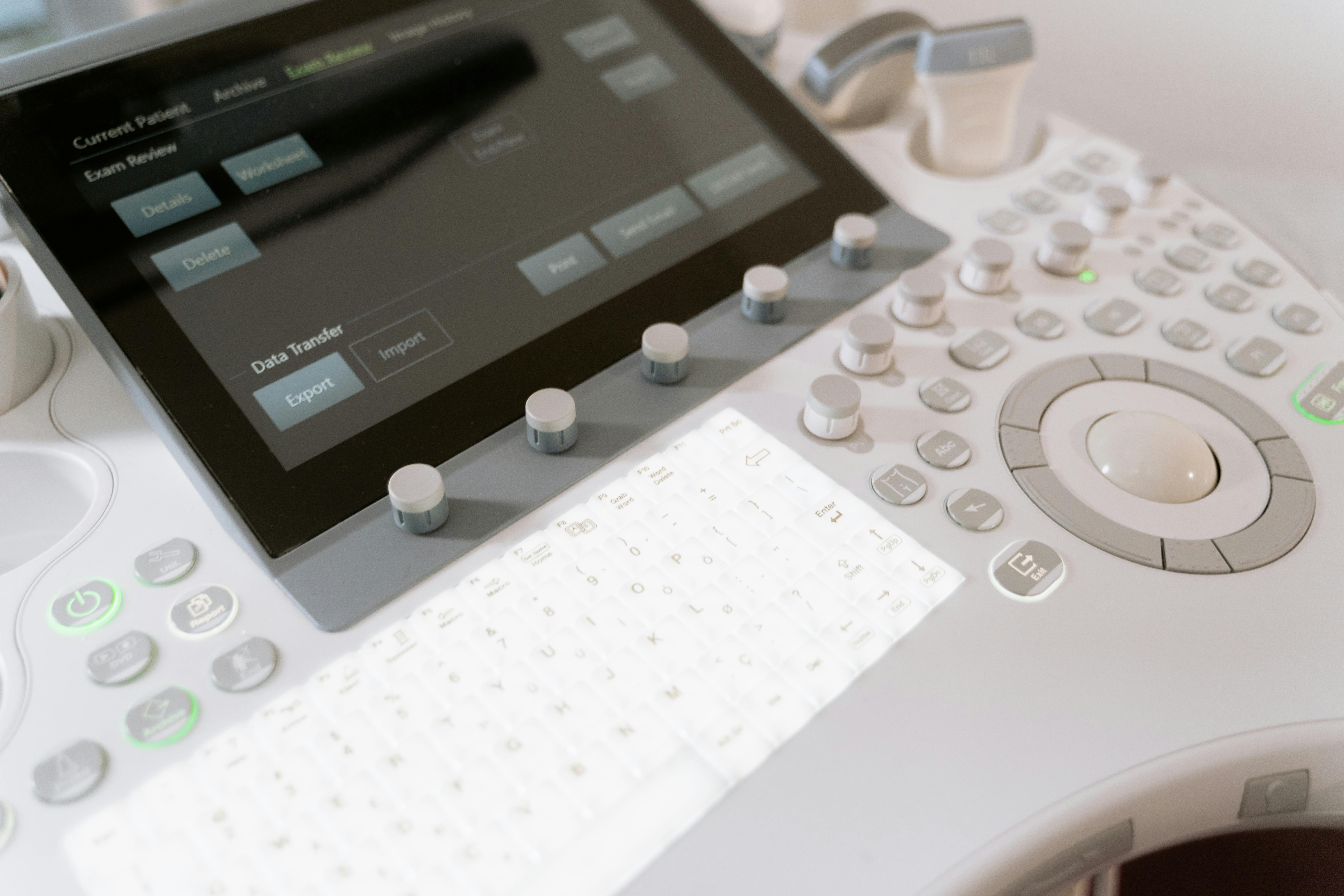
Not every GE console input problem starts with worn buttons. When inconsistent response spreads beyond one key or control area, the symptom may point to a deeper panel-board issue.

Panel-side input drift often appears before total console failure. Early control inconsistency is usually a real hardware-path signal, not just workflow friction.

Control-panel instability often begins as workflow friction before it looks like a clean hardware failure. Early input drift is usually a real repair clue, not a minor annoyance.

Key-matrix instability rarely stays confined to one key for long. Here is why uneven console input often points to a deeper control-path weakness.

A lower operation panel rarely becomes inconsistent for no reason. When operators begin distrusting repeated adjustments, the underlying failure path is usually already developing.

Menu-navigation lag often points to a weak support path before broader console failure. Here is how routine workflow delay reveals the issue earlier.

Unstable rotary response often points to a weak support path before full console failure. Here is how repeated adjustments reveal the issue earlier.

Mode-switch instability often points to a weak support path before full failure. Here is how repeated state changes reveal the problem earlier.

Control drift during routine workflow changes often starts below the visible console layer. Here is why delayed adjustments can point to a broader support fault.