When the Lower Operation Panel Starts Feeling Unreliable, the Problem Is Usually Already Deeper
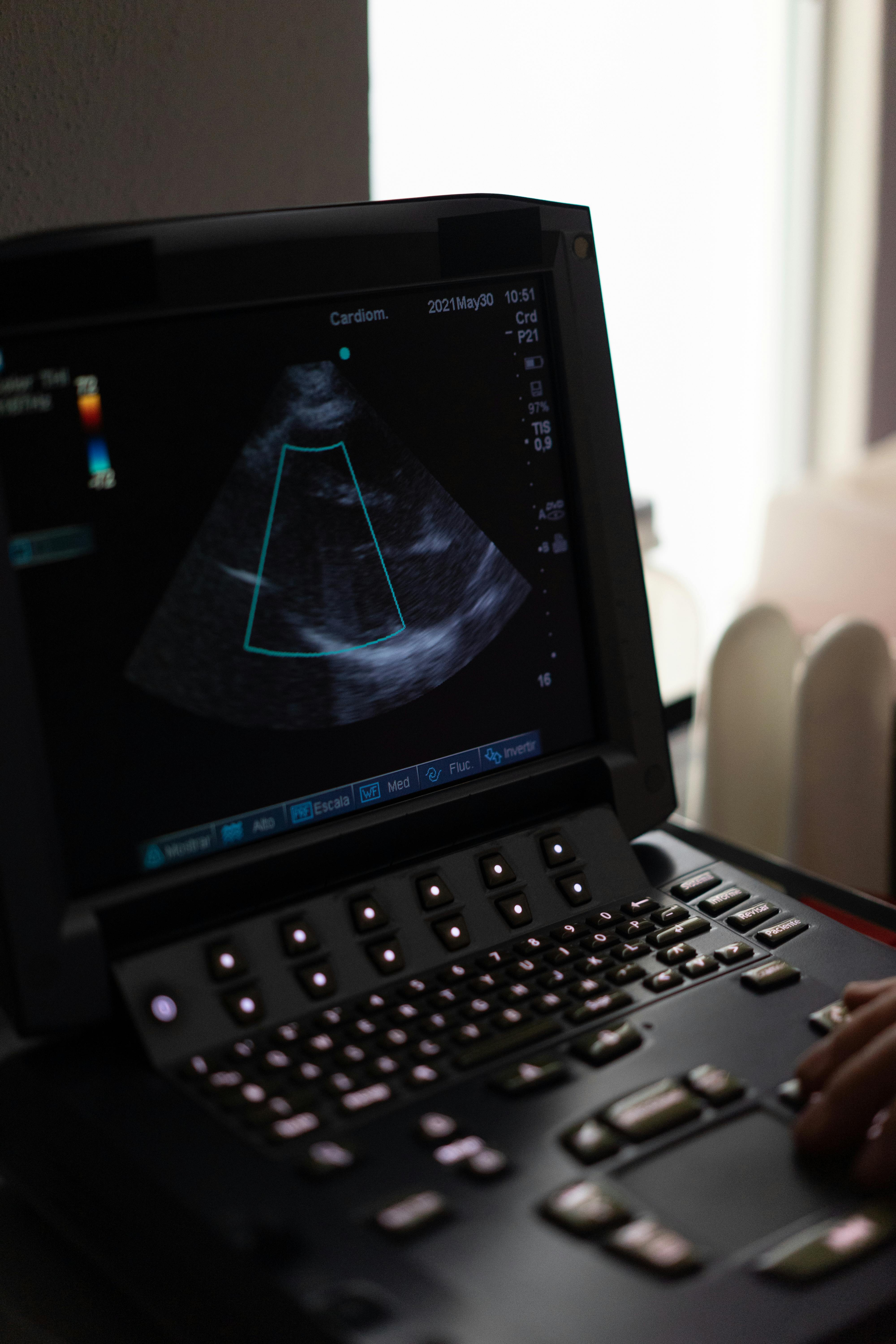
When the Lower Operation Panel Starts Feeling Unreliable, the Problem Is Usually Already Deeper
Service teams often describe lower operation panel problems in a deceptively simple way: the controls just do not feel right anymore. That description matters more than it sounds. By the time a user notices hesitation, uneven response, or inconsistent operator feedback, the machine is often already pointing toward a deeper support-path weakness rather than a superficial front-panel annoyance.
The reason this symptom gets underestimated is that the console still looks alive. The system boots, the screen is readable, and a few interactions may still behave correctly. But the moment repeated gain or menu work begins feeling uncertain, the machine is no longer offering the kind of panel confidence operators depend on during routine scanning.
Instead of asking only whether the panel is dead, it is more useful to ask whether the entire panel-side path is still stable under repetition. That question usually leads to better diagnostics.
Recommended replacement option: GE Lower Operation Panel Main Board
A more useful way to read the symptom
If instability appears only after repeated interaction, that is not random noise. It often means the visible control is merely where the operator notices the problem first, not where the fault truly begins. Engineers who stop at the surface layer can easily spend too much time validating the wrong component.
What matters during inspection
The useful observations are practical: Does the hesitation worsen after warm runtime? Do nearby controls begin feeling similarly unreliable? Does the machine behave better during light use than during repeated operation? These differences tell you more than a single isolated adjustment ever will.
Why this issue should be corrected earlier, not later
Once the lower operation panel starts creating distrust, workflow quality drops before full failure arrives. The machine becomes harder to operate confidently, and service teams start proving broader theories that might never have mattered if the unstable path had been isolated sooner. In other words, waiting usually increases labor instead of saving it.
Related Articles
Why Console Navigation That Gets Worse With Use Often Exposes Panel-Control Weakness Earlier Than A Hard Failure
If navigation gets less crisp as the session goes on, the panel-control path may already be weakening while the machine is still broadly usable.
키보드 클러스터의 오작동이 보통 다섯 개의 불량 키가 아닌 공유 입력 경로를 가리키는 이유
동일한 키보드 클러스터가 함께 불안정해질 때, 여러 개의 개별 버튼 고장보다는 공유 콘솔 경로가 더 유력한 용의자입니다.