Why Menu-Navigation Lag Often Points to a Weak Support Path Before Broader Console Failure

When an ultrasound console starts slowing down during menu navigation rather than during raw startup, many teams assume the machine is simply aging or carrying a vague software burden. In practice, menu-navigation lag often points to a support path that is already weakening underneath the visible interaction layer. That is why slow transitions between routine settings can become one of the earliest useful warning signs.
This symptom is easy to underestimate because the machine still looks alive. Screens render, options open, and simple checks may pass without major complaint. But once the operator starts moving through a real workflow, hesitation begins to show up where stable systems should feel immediate and predictable.
Recommended replacement option: GE 2355880 4 RFI Board
What this failure pattern usually looks like
A common pattern is that basic functions remain available while menu movement begins feeling progressively less reliable. One page opens quickly, the next transition lags, and certain workflow branches feel noticeably more hesitant than others. Because the symptom looks soft rather than catastrophic, it often gets normalized for too long.
Why the visible lag can point deeper
Visible menu delay feels like a software problem because that is where the operator sees it. But steady navigation depends on clean coordination across the support layer beneath the console. Once timing starts drifting there, the platform can imitate front-end slowness even when the deeper support path is the real starting point.
What to inspect first
Check whether the lag becomes more obvious after repeated navigation, whether it clusters around state-heavy transitions, and whether it overlaps with other mild response irregularities. If the system feels most unstable during active workflow movement rather than passive idle display, the support path should move higher on the diagnostic list.
Why earlier correction matters
Once menu lag starts affecting routine use, teams often waste time proving the symptom under multiple workflows instead of isolating the unstable section underneath. Earlier correction usually costs less than allowing the machine to keep accumulating low-grade interaction failures.
Related Articles
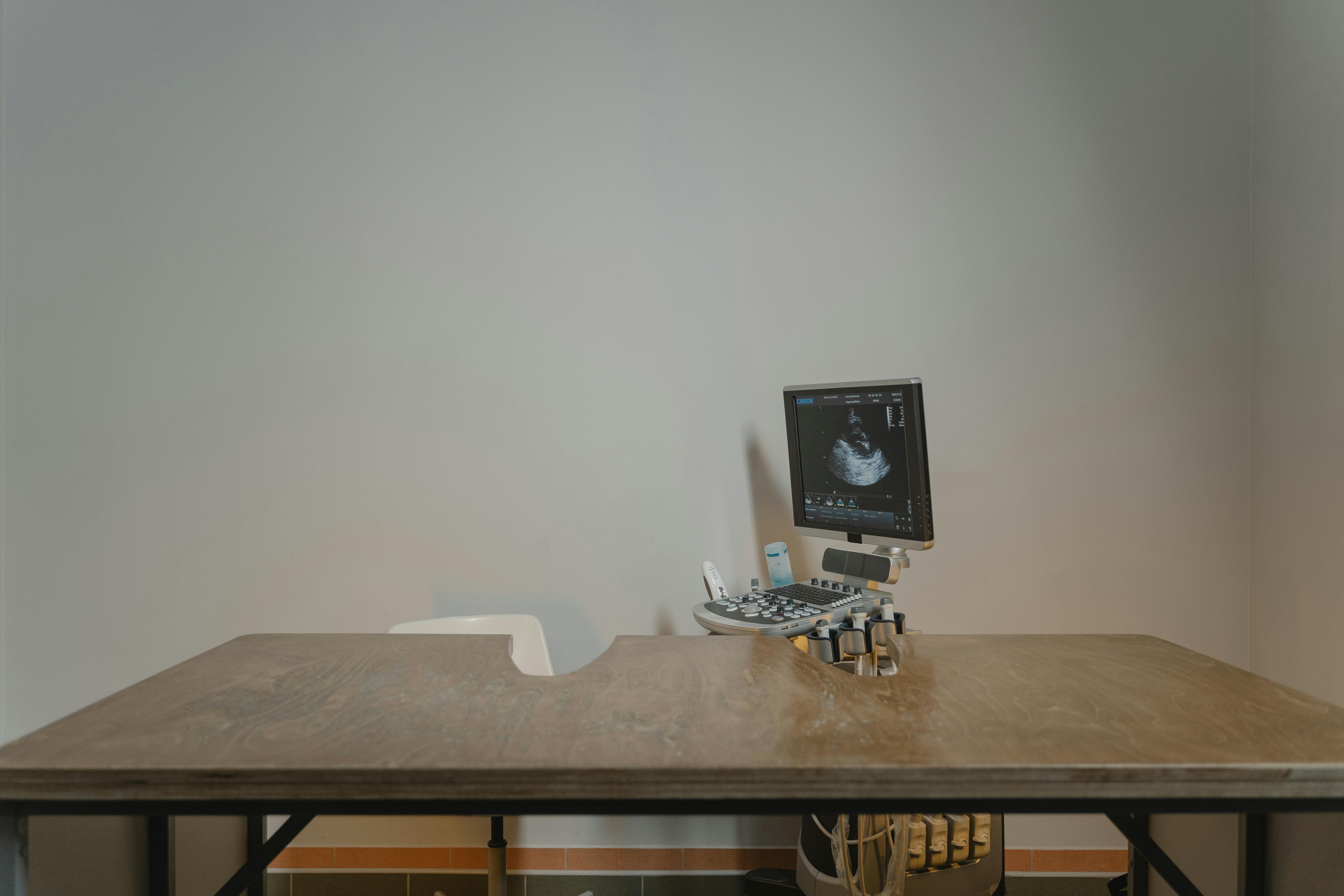
Why Console Navigation That Gets Worse With Use Often Exposes Panel-Control Weakness Earlier Than A Hard Failure
If navigation gets less crisp as the session goes on, the panel-control path may already be weakening while the machine is still broadly usable.
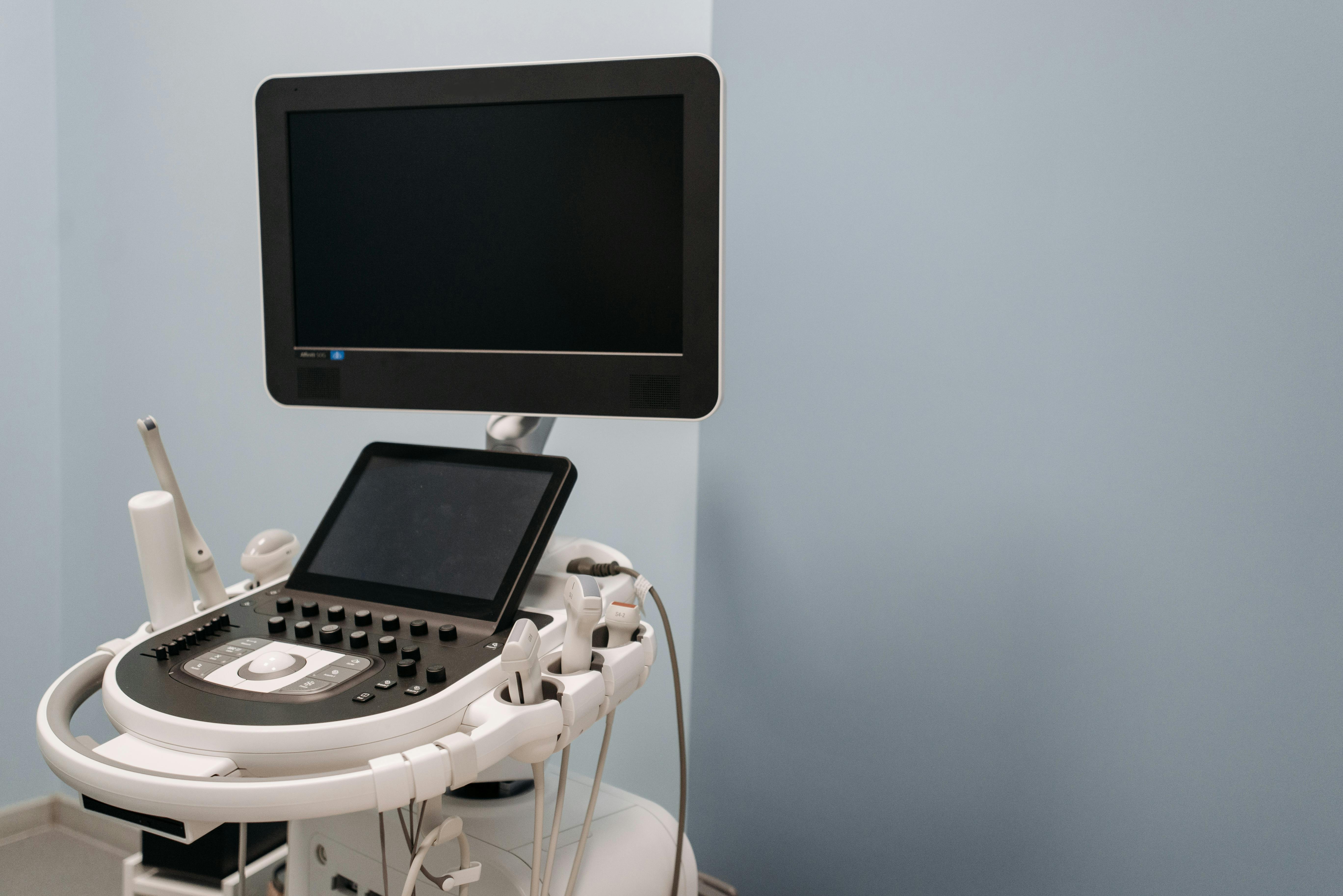
키보드 클러스터의 오작동이 보통 다섯 개의 불량 키가 아닌 공유 입력 경로를 가리키는 이유
동일한 키보드 클러스터가 함께 불안정해질 때, 여러 개의 개별 버튼 고장보다는 공유 콘솔 경로가 더 유력한 용의자입니다.