Why Power Regulation Drift Creates Symptoms That Do Not Look Like Power Problems at First
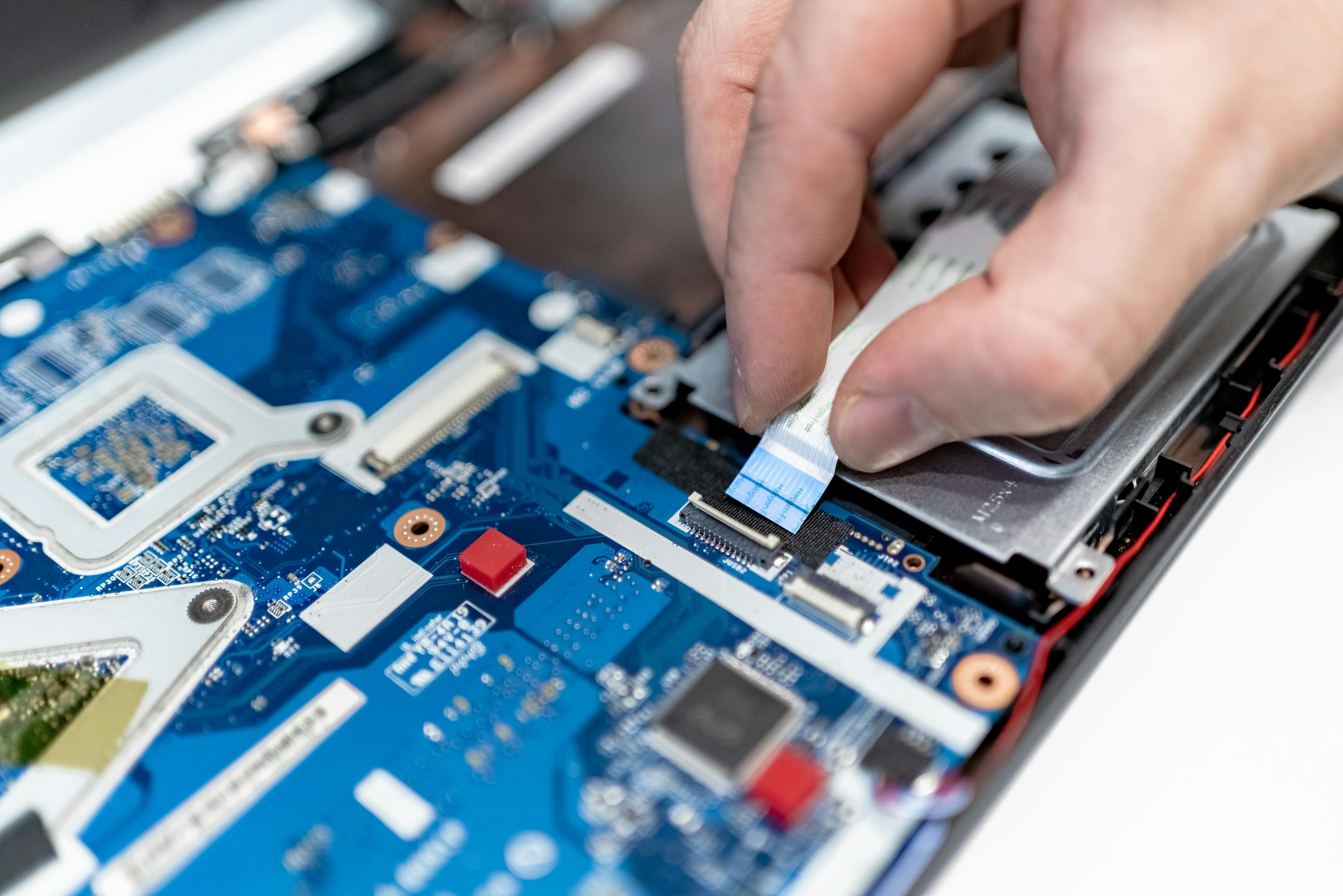
Some ultrasound systems do not present power problems in an obvious way. They may still boot normally, respond to quick checks, and avoid hard shutdowns, yet begin showing lag, unstable controls, image inconsistency, or scattered warning behavior that does not immediately look electrical. In many field cases, those mixed symptoms trace back to drifting power regulation rather than a dramatic total power-board failure.
That is what makes this pattern expensive. When the machine still appears alive, teams often chase software, interface, or operator workflow explanations first. But once the regulation layer starts drifting outside its stable range, multiple downstream functions can become unreliable before the fault ever looks like a classic no-power event.
Recommended replacement option: Philips 4535 617 06442 Power Board 4535 614 73244
Why the symptoms seem unrelated
Weak power regulation does not always remove power completely. More often it creates unstable conditions that affect timing, signal behavior, board stability, and response consistency in uneven ways. That can produce a messy symptom mix where one subsystem looks slow, another becomes intermittent, and a third appears normal during short checks.
What to inspect first
Compare cold-start behavior with warm-state behavior, note whether the symptom grows after runtime, and check whether instability spreads across unrelated functions instead of staying isolated to one user action. If several small problems appear together without one clean trigger, the power-conditioning layer deserves much earlier attention.
Why earlier replacement reduces wasted labor
Power drift wastes time because each isolated symptom invites a different false lead. Engineers retest controls, menus, displays, and signal paths separately while the real weak layer keeps affecting all of them from underneath. Replacing the unstable regulation path earlier is often cheaper than chasing a stack of secondary effects one by one.
Related Articles
Why Console Navigation That Gets Worse With Use Often Exposes Panel-Control Weakness Earlier Than A Hard Failure
If navigation gets less crisp as the session goes on, the panel-control path may already be weakening while the machine is still broadly usable.
키보드 클러스터의 오작동이 보통 다섯 개의 불량 키가 아닌 공유 입력 경로를 가리키는 이유
동일한 키보드 클러스터가 함께 불안정해질 때, 여러 개의 개별 버튼 고장보다는 공유 콘솔 경로가 더 유력한 용의자입니다.