Why Ultrasound Console Buttons Become Unreliable Long Before Total Panel Failure
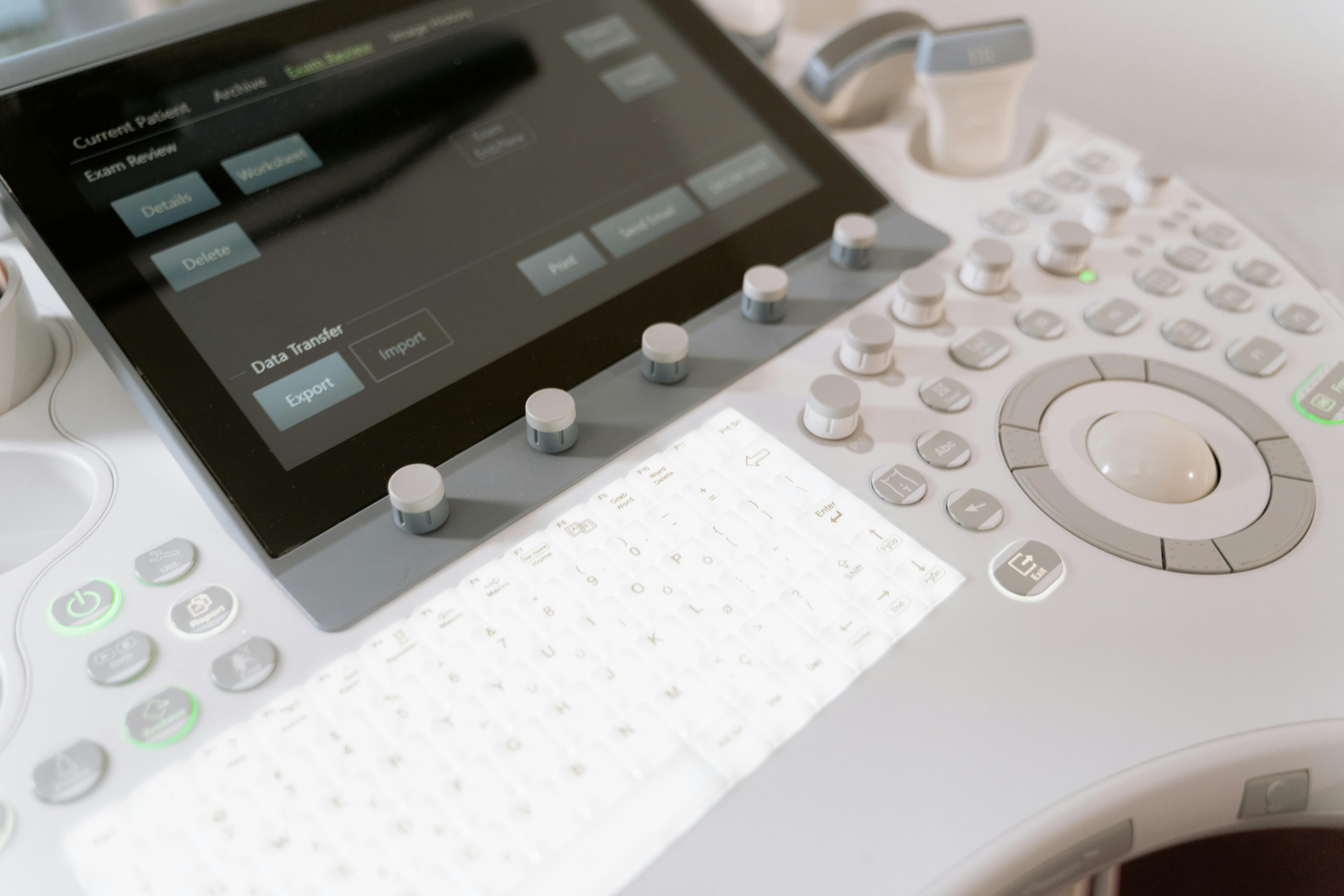
Console-button faults in ultrasound systems often start quietly. A few keys respond slowly, freeze functions miss occasionally, or menu navigation becomes inconsistent enough that operators blame glove use, workflow habits, or temporary lag. Because the machine still boots and the display still works, the button layer gets underestimated until the panel becomes unreliable during real scanning work.
That is where diagnosis drifts. Once the operator cannot trust routine console input, every later symptom starts looking larger than it really is. Teams may chase software instability, system lag, or deeper control-board issues when the practical weakness is still concentrated in the button and panel path.
What this failure pattern usually looks like
A typical pattern begins with the highest-use keys. Freeze, save, depth, gain, or navigation buttons start requiring extra force or repeated presses. Some functions work in one session and fail in the next. In many cases the symptom gets worse after heavy use, contamination buildup, or repeated stress around the panel edge.
Why engineers misread it
Because the console is only partly failing, the rest of the system still appears healthy enough to confuse the diagnosis. Imaging may still look normal, menus still load, and only a subset of inputs fail. That leads teams toward logic-side explanations before the mechanical input layer has been properly ruled out.
Recommended replacement option: GE 2355880-4 RFI Board
What to inspect first
Check tactile response consistency, panel flex, local contamination, connector seating, and whether the failure clusters around high-use keys or warm operating conditions. If the symptom follows operator interaction more than signal generation, the console-input path deserves early attention.
Why early replacement matters
Unstable console buttons do more than annoy the user. They slow testing, create operator hesitation, and make every workflow-based diagnosis less trustworthy. Replacing the weak panel path early is usually cheaper than spending more labor on false software or main-board explanations.
Related Articles
Why Console Navigation That Gets Worse With Use Often Exposes Panel-Control Weakness Earlier Than A Hard Failure
If navigation gets less crisp as the session goes on, the panel-control path may already be weakening while the machine is still broadly usable.
키보드 클러스터의 오작동이 보통 다섯 개의 불량 키가 아닌 공유 입력 경로를 가리키는 이유
동일한 키보드 클러스터가 함께 불안정해질 때, 여러 개의 개별 버튼 고장보다는 공유 콘솔 경로가 더 유력한 용의자입니다.